Why do cats knead?
Kneading, head-butting, slow blinking — a short field guide to what your cat is actually saying.
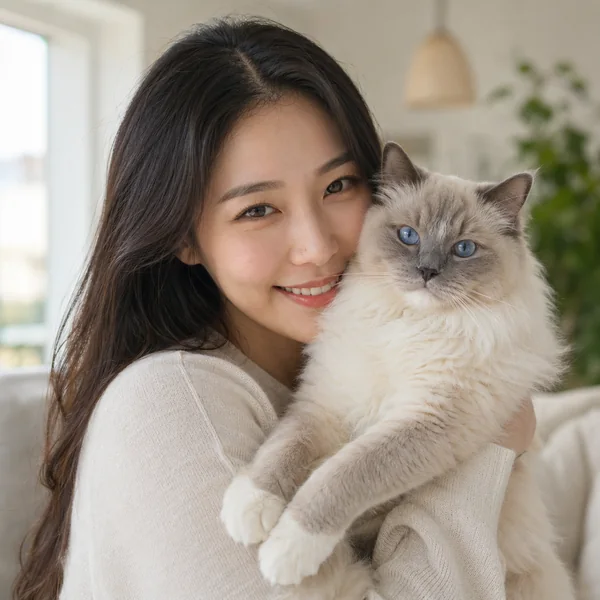
Kneading
Kittens knead their mother to stimulate milk flow. Adult cats keep the behaviour because it stays associated with comfort and security. A cat kneading your lap is signalling contentment and, incidentally, depositing scent from glands in the paws — marking you as theirs.
It hurts because claws extend rhythmically as part of the motion. Keeping nails trimmed and putting a folded blanket on your lap solves it without discouraging a behaviour that means your cat feels safe.
Head-butting and cheek rubbing
Called bunting. Cats have scent glands on the cheeks, chin and forehead, and rubbing them on you mixes their scent with yours into a shared group smell. It is one of the clearest affiliative signals a cat gives.
Slow blinking
Closing the eyes slowly in the presence of another animal signals that you are not a threat. Cats do it to people they trust, and they respond when you do it back — a slow blink returned is a genuine, if small, conversation.
Purring is not only happiness
Cats also purr when frightened, injured or unwell. The vibration appears to be self-soothing. A cat purring at the vet is not enjoying itself, and a cat purring while hiding and not eating needs attention rather than reassurance.
The tail
Upright with a slight hook at the tip is a confident, friendly greeting. Puffed is fear. Thrashing or thumping is irritation, not pleasure — the opposite of a dog's wag, and the most commonly misread signal in the household.
Changes that matter
A cat that suddenly stops kneading, hides, becomes intolerant of handling, or changes toileting habits is usually telling you something is wrong. Cats conceal illness extremely well, and behaviour change is often the only early sign. Sudden aggression when touched in a particular place is pain until proven otherwise.
Convert your pet's age
Human-year equivalent, life stage, and when senior care should begin.
Open the age calculator →Kneading is normal comfort behaviour. The behaviours worth watching are the quieter ones that signal discomfort. Signs a cat is in pain →
Common questions
Why does my cat knead me?
It is a comfort behaviour retained from kittenhood, when kneading stimulated milk flow. In adults it signals contentment and also deposits scent from glands in the paws, marking you as part of their group.
Does purring always mean a cat is happy?
No. Cats also purr when frightened, in pain or unwell, apparently as self-soothing. Purring alongside hiding, not eating or reluctance to be touched is a reason to see a vet.
What does it mean when a cat slow blinks?
It signals that the cat feels safe and means no threat. Returning a slow blink is a recognised way of communicating the same back.