Dogs in hot weather
One of the few genuinely preventable ways a healthy dog dies. It takes minutes.
Signs of heatstroke
- Heavy, frantic panting that does not settle
- Drooling more than usual, thick saliva
- Bright red or very pale gums
- Unsteadiness, stumbling, confusion
- Vomiting or diarrhoea, sometimes with blood
- Collapse or seizure
What to do immediately
Move the dog into shade. Pour or spray cool water over them continuously — recent veterinary evidence supports active cooling with cool water, including immersion where practical, rather than the old advice to use only tepid water. Get air moving over the wet coat. Offer small amounts of water to drink but do not force it. Phone the vet while you are cooling, not afterwards, and continue cooling on the way.
Do not cover the dog with wet towels and leave them — a towel that warms up traps heat rather than releasing it.
Who is most at risk
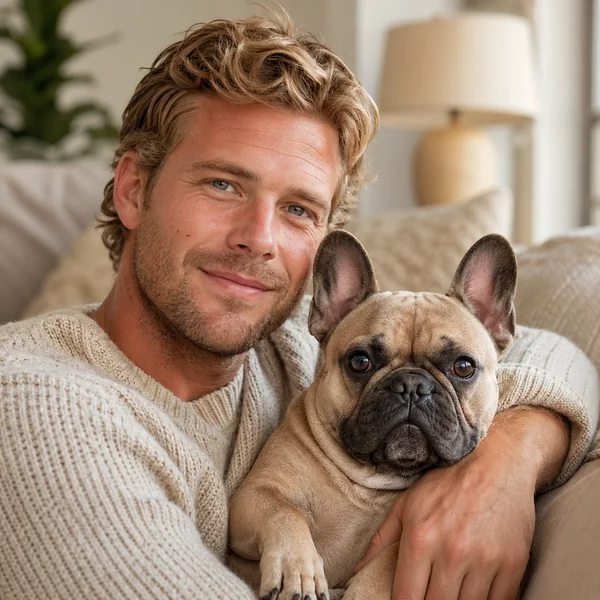
Flat-faced breeds are at far higher risk because a compromised airway makes panting much less effective. Also: overweight dogs, thick-coated breeds, puppies and seniors, dogs with heart or airway disease, and any dog exercising hard in heat. Notably, heatstroke in dogs is more often triggered by exercise than by hot cars — though cars remain lethal.
The pavement test
Press the back of your hand to the ground and hold it for seven seconds. If you cannot, it is too hot for paws. Tarmac holds heat for hours after the air has cooled, which is why evening walks still need checking.
Prevention
- Walk early morning and late evening. Skip walks entirely on the hottest days — no dog has been harmed by a missed walk.
- Never leave a dog in a car, even briefly, even with windows open. Interior temperatures climb dangerously within minutes.
- Watch conservatories, caravans and greenhouses too.
- Provide shade and several water bowls; a paddling pool suits many dogs.
- Cooling mats work; frozen items can be given as enrichment.
- Keep your dog lean. Excess weight substantially reduces heat tolerance.
- Do not shave double-coated breeds — the coat insulates against heat as well as cold.
After an episode
A dog that appears to recover still needs veterinary assessment. Heatstroke can cause delayed organ damage and clotting problems that appear hours later, and dogs that have had one episode are more vulnerable to another.
Check the target weight
Turn a body condition score into a target weight and a realistic timeframe.
Open the weight calculator →Warm months are peak season for fleas, ticks and mosquitoes, and prevention has to be running before the first bite rather than after it. Flea and tick prevention →
Common questions
How do I know if it is too hot to walk my dog?
Press the back of your hand to the pavement for seven seconds. If you cannot hold it comfortably, it is too hot for paws. Also consider humidity, which makes panting less effective, and skip walks entirely on the hottest days.
What should I do if my dog has heatstroke?
Move them into shade and cool them actively with cool water while phoning the vet, continuing to cool on the way. Do not wrap them in warm wet towels and wait.
Which dogs are most at risk in heat?
Flat-faced breeds such as French Bulldogs and pugs, overweight dogs, thick-coated breeds, puppies, seniors, and dogs with heart or airway disease. Exercise in heat causes more cases than hot cars do.